Cracks, loose finishes, and bulging facade elements are common problems in ageing buildings, especially in Malaysia’s hot and humid climate. If left untreated, these defects can lead to falling debris, water ingress, and long-term structural deterioration.
One of the most effective solutions for stabilising and repairing damaged facades is the mechanical pinning system — a proven method used worldwide for structural masonry and concrete repairs.
What Is a Mechanical Pinning System?
- Reconnect delaminated facade finishes
- Stabilise cracked masonry or concrete
- Prevent further movement or separation
Common Facade Problems Addressed
- Cracked concrete facades
- Loose stone cladding or tiles
- Spalling concrete caused by corrosion
- Delaminated plaster or architectural finishes
- Masonry cracks around windows and openings
Why Use Mechanical Pinning for Facade Repair?
1. Minimal Hacking and Disturbance
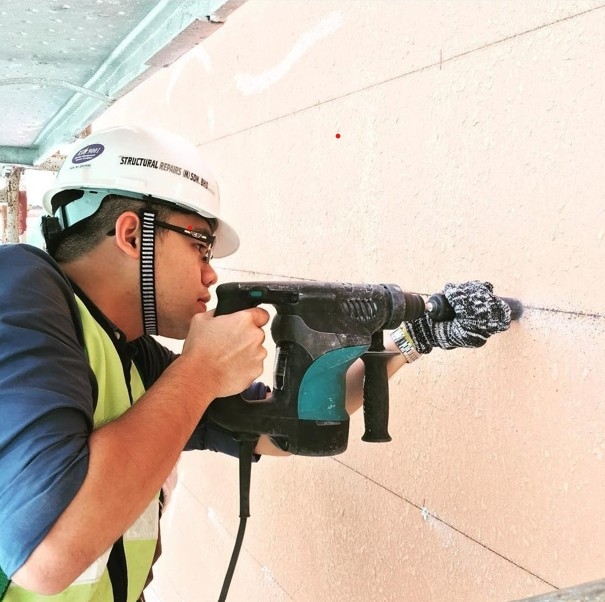
The system requires localized drilling only, reducing damage to existing finishes and minimising disruption to building occupants.
2. Structural Strength and Durability
High-grade stainless-steel pins provide long-term performance, corrosion resistance, and structural reliability.
3. Cost-Effective Repair Solution
By avoiding full facade replacement, mechanical pinning significantly reduces repair costs and project duration.
4. Preserves Building Appearance
Because the repair is mostly concealed, the original facade aesthetics can be maintained after reinstatement.
Application in Facade Repair Works
- Concrete repair mortars
- Protective coatings or waterproofing systems
Suitable for Both New and Existing Buildings
- Ageing buildings showing facade distress
- Buildings undergoing mandatory facade inspections
- Preventive strengthening works to enhance safety
Frequently Asked Questions (FAQ) – Mechanical Pinning System for Facade Repair
1. What is a mechanical pinning system used for?
A mechanical pinning system is used to stabilise and secure cracked, loose, or delaminated facade elements by mechanically fixing them back to the main structure. It is commonly applied in concrete, masonry, stone cladding, and plaster facade repairs.
2. Is mechanical pinning suitable for facade crack repair?
Yes. Mechanical pinning is highly effective for structural and non-structural facade cracks, especially where movement or separation has occurred. The pins help transfer loads and prevent further crack propagation.
3. Can mechanical pinning prevent falling facade debris?
Yes. One of the main purposes of mechanical pinning is to eliminate the risk of falling facade elements, such as loose concrete, tiles, or stone cladding, which can pose serious safety hazards to occupants and the public.
4. Does the system require full hacking or facade replacement?
No. Mechanical pinning is a minimally invasive repair method. Only localized drilling is required, allowing most of the existing facade to remain intact. This significantly reduces repair time, cost, and disturbance.
5. What materials are used in a mechanical pinning system?
Mechanical pinning systems typically use high-strength stainless steel pins, which are corrosion-resistant and suitable for long-term structural applications in Malaysia’s tropical climate.
6. Is mechanical pinning suitable for high-rise buildings?
Yes. Mechanical pinning systems are widely used in high-rise residential, commercial, and mixed-use buildings, especially where facade access is limited and extensive replacement works are not practical.
7. How long does a mechanical pinning repair last?
When properly designed and installed by a qualified structural repair contractor, a mechanical pinning system can last for decades, providing long-term stability and durability to facade elements.
8. Can mechanical pinning be combined with other repair methods?
Yes. Mechanical pinning is often combined with:
- Concrete repair mortars
- Protective coatings systems
- Waterproofing systems
This ensures both structural integrity and environmental protection.
9. Is mechanical pinning suitable for heritage or older buildings?
Yes. Because it is minimally invasive and preserves existing materials, mechanical pinning is commonly used in heritage and older buildings where maintaining the original appearance is important.
10. How do I know if my building needs mechanical pinning?
Signs that may indicate the need for mechanical pinning include:
- Visible cracks on facade surfaces
- Bulging or loose finishes
- Spalling concrete
- Water seepage through facade walls
A professional site inspection by a structural repair specialist is recommended to determine the appropriate solution.
Conclusion
- Email us: structuralrepairs@gmail.com
- Visit: https://structuralrepairs.com.my
- Whatsapp: +60 12-334 9113
- Based in Kuala Lumpur, serving all of Malaysia
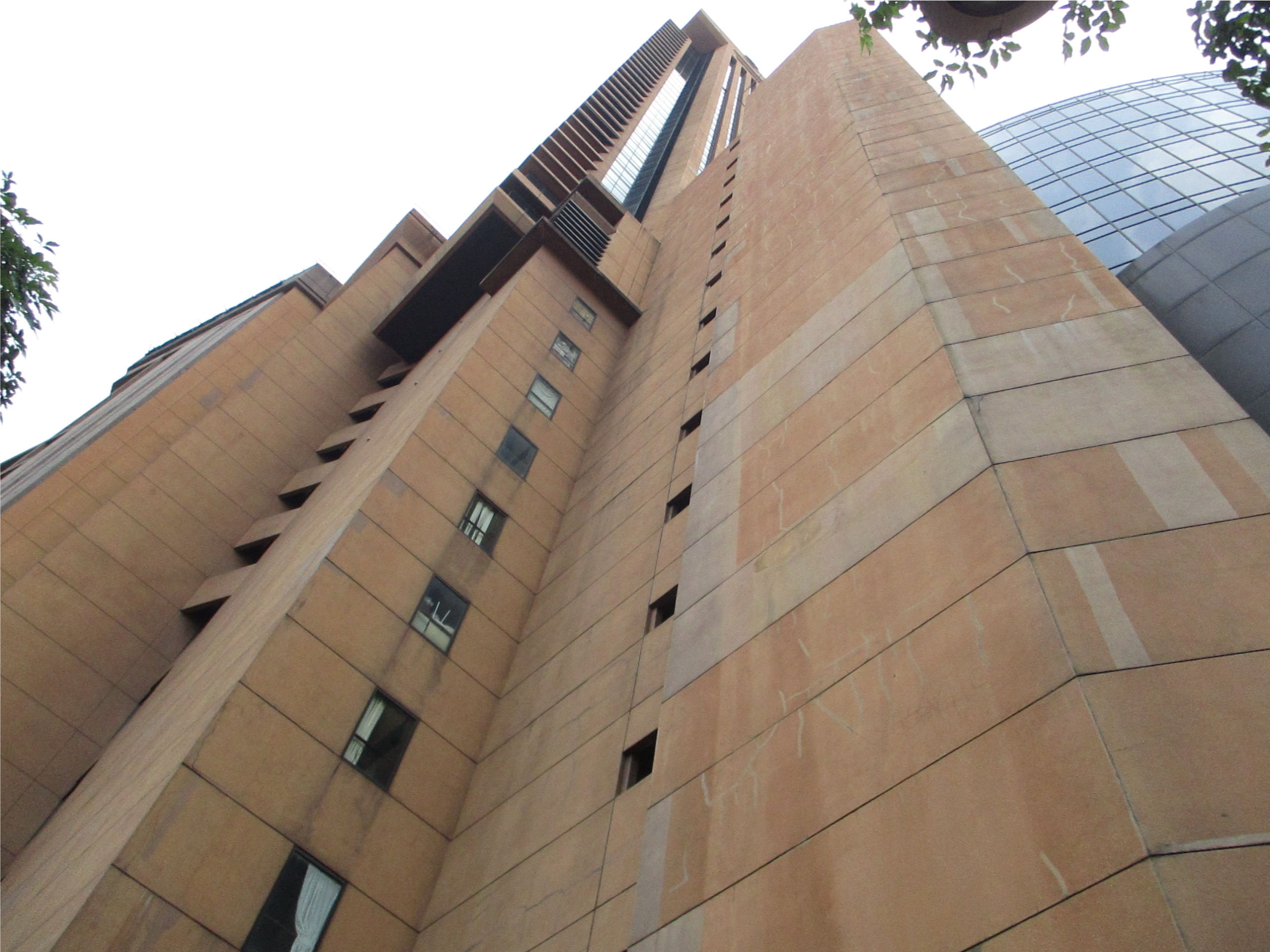
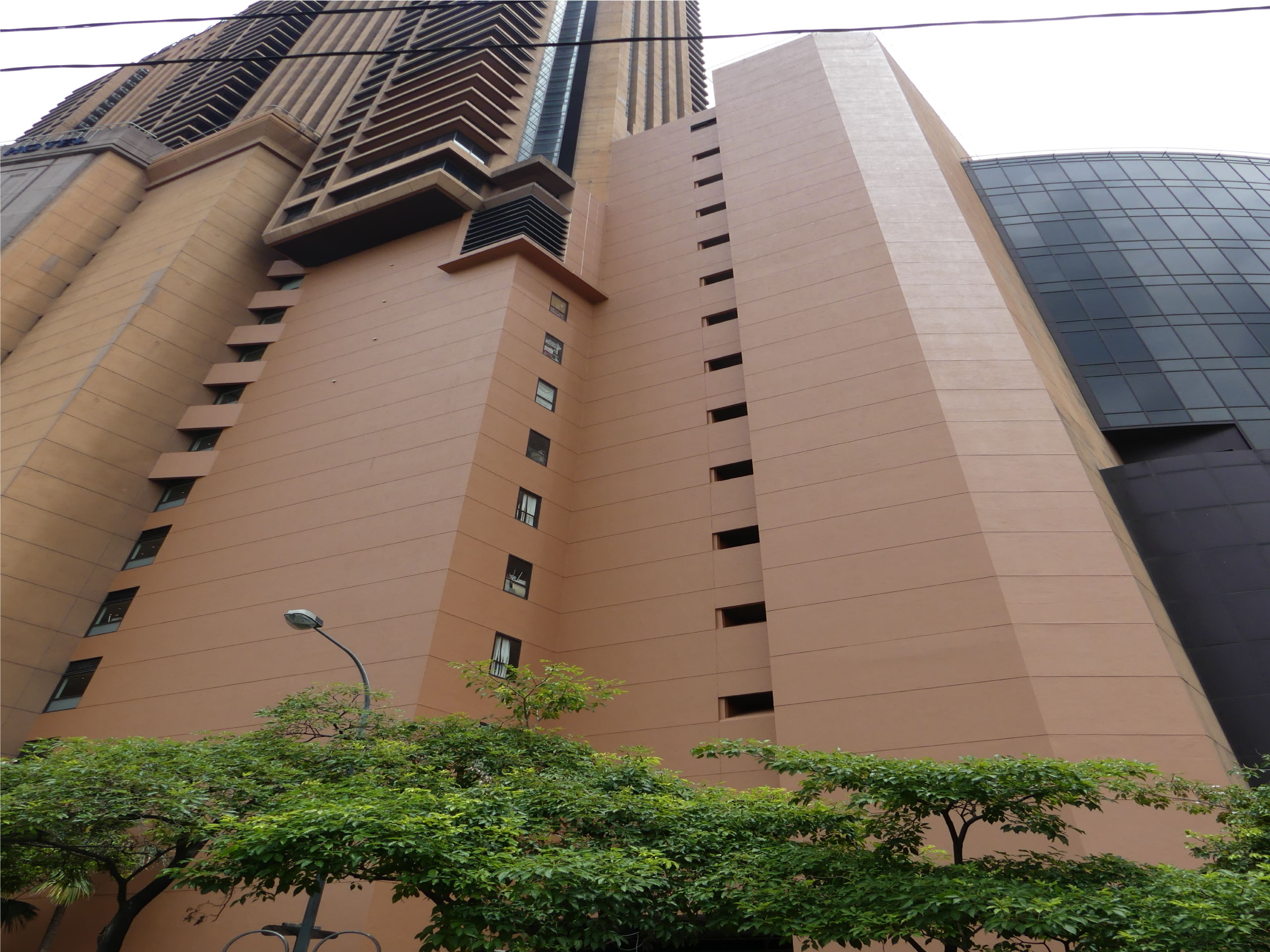
Project Reference: Facade Repair Using Mechanical Pinning System in Kuala Lumpur