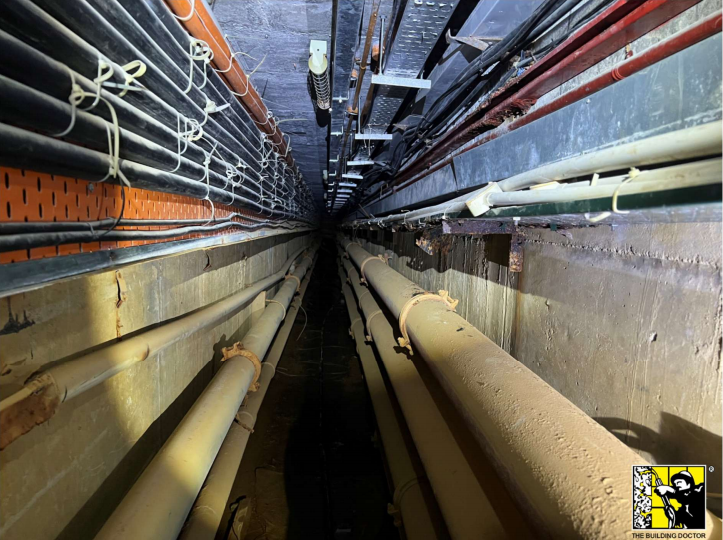
Tunnel waterproofing is essential to prevent water leakage, structural damage, and costly maintenance. Learn proven methods, potential leak paths, systematic approaches, and why expert services matter for long-term durability.
Introduction
Tunnels are vital parts of modern infrastructure – used for highways, railways, underground utilities, and drainage systems. However, tunnels are constantly exposed to groundwater, hydrostatic pressure, and soil movement, making them especially vulnerable to water ingress.
Without proper waterproofing, tunnels can suffer from leaks, corrosion, structural deterioration, and even safety risks. That’s why professional tunnel waterproofing services are critical for ensuring durability, safety, and cost efficiency.
Why Tunnel Waterproofing Matters
- Prevents structural deterioration – Water infiltration weakens concrete and corrodes steel reinforcement.
- Ensures user safety – Water leakage can cause slippery surfaces, electrical faults, and reduced visibility.
- Minimizes maintenance costs – Waterproofing prevents expensive emergency repairs.
- Prolongs tunnel lifespan – A well-waterproofed tunnel lasts decades with reduced risk of damage.
- Compliance with standards – Infrastructure projects must meet government and engineering safety regulations.
Common Causes of Tunnel Water Ingress
- High groundwater pressure pushing water through cracks.
- Poor joint sealing between tunnel segments.
- Soil settlement and movement causing new cracks.
- Aging waterproofing systems that fail over time.
- Drainage failure that allows water accumulation.
Potential Leak Paths in Tunnels
Water ingress in tunnels often occurs through specific weak points in the concrete structure. Understanding these potential leak paths is critical before applying any waterproofing system:
- Construction Joints
Joints between concrete pours are natural weak points. If not sealed properly, they allow water penetration under hydrostatic pressure. - Cracks
Structural movement, settlement, or thermal changes can lead to cracks. Even hairline cracks can become pathways for water seepage. - Porous Concrete (Absorbent Concrete)
Poorly compacted or low-quality concrete may absorb and transmit water through capillary action. - Honeycombed Concrete
Voids or gaps in concrete caused by improper compaction create direct channels for water to seep into the tunnel lining. - Anchor Points / Service Penetrations
Areas where bolts, anchors, or pipes penetrate the tunnel lining often become leakage points if not properly sealed.
Tunnel Waterproofing Methods
- Membrane Waterproofing
- Use of PVC or HDPE membranes installed as a barrier before tunnel lining.
- Provides a continuous and flexible seal against groundwater.
- Common in railway and highway tunnels.
- Injection Systems
- Polyurethane (PU) or epoxy resins injected into cracks or joints to block leaks.
- Effective for active water ingress and repairs.
- Spray-Applied Coatings
- Polyurea or polymer-modified coatings applied to tunnel surfaces.
- Seamless, fast-curing, and resistant to chemicals.
- Crystalline Waterproofing
- Chemicals penetrate concrete and block water pathways internally.
- Provides self-healing properties for minor cracks.
- Drainage & Grouting Systems
- Ensures groundwater is redirected safely away from tunnel structures.
- Often combined with waterproofing membranes.
The Approach for Tunnel Waterproofing Work
At Structural Repairs (M) Sdn Bhd, we follow a systematic approach to ensure long-lasting tunnel waterproofing solutions. Each stage is critical to achieving a durable and watertight structure:
- Dewatering
Before any repair or waterproofing work begins, the tunnel must be dewatered to create a safe and dry working environment. This step reduces hydrostatic pressure and prevents further water ingress during repairs.
- Clearing Obstructions
All debris, dirt, and foreign materials are removed from the tunnel structure. This ensures proper access to affected areas and prepares the surfaces for inspection and repair.
- Identifying Defects and Causes
A thorough inspection is carried out to identify the types of defects (cracks, honeycombs, joint failures, etc.) and to determine the root causes of water leakage. This diagnostic step ensures the correct remedial approach is taken.
- Determining the Effective Solution
Based on the inspection findings, we develop a customized waterproofing strategy, selecting the most suitable method (e.g., PU injection, polyurea coating, crystalline treatment, or membrane system) to address the defects.
- Stopping Active Leakages Active water leakages are treated immediately using PU or epoxy injection systems. These materials expand and seal cracks or joints, effectively stopping water ingress even under pressure.
- Rectifying Defective Concrete
Damaged or deteriorated concrete is repaired through hacking, patching, or recasting to restore the tunnel’s structural integrity. Proper surface preparation ensures long-term adhesion of waterproofing materials.
- Applying Negative-Side Waterproofing
Finally, a negative-side waterproofing system is applied from inside the tunnel. This method prevents water from entering the structure and is especially effective when external access is limited.
Challenges in Tunnel Waterproofing
- Constant groundwater pressure requires highly durable systems.
- Difficult accessibility during maintenance works.
- Harsh environments (chemicals, saltwater, vibrations).
- Zero downtime for operational tunnels like MRT or highway systems.
Why Hire Professional Tunnel Waterproofing Contractors?
A tunnel waterproofing project requires:
- Engineering expertise – Understanding soil, hydrogeology, and tunnel design.
- Advanced technology – Membranes, PU injection, and polyurea spray systems.
- Proven track record – Experience in infrastructure projects.
- Compliance & warranty – Assuring safety standards and long-term performance.
At Structural Repairs (M) Sdn Bhd, we provide comprehensive tunnel waterproofing solutions using the latest methods, ensuring durability, safety, and cost efficiency for Malaysia’s infrastructure projects.
Conclusion
Tunnel waterproofing is not just about preventing leaks – it’s about protecting infrastructure, ensuring safety, and reducing long-term costs. With Malaysia’s high rainfall and challenging soil conditions, investing in professional tunnel waterproofing services is essential for highways, MRT lines, underground facilities, and utility tunnels.
👉Contact Structural Repairs (M) Sdn Bhd today to discuss your tunnel waterproofing project and get a professional consultation.
📧 Email us: structuralrepairs@gmail.com
🌐 Visit: https://structuralrepairs.com.my
📞 Whatsapp: +60 12-334 9113
📍 Based in Kuala Lumpur, serving all of Malaysia
Frequently Asked Questions (FAQ)
- What is the most common tunnel waterproofing method?
PVC membrane waterproofing is widely used in large tunnels, while PU injection is effective for repairs.
- Can tunnel leaks be fixed without major construction?
Yes, PU or epoxy injection and spray coatings can repair active leaks without full excavation.
- How long does tunnel waterproofing last?
A properly installed system can last 25–50 years depending on materials and conditions.
- Is tunnel waterproofing expensive?
It’s an investment, but far cheaper than repairing structural failures or closing tunnels for repairs.
- Does tunnel waterproofing require regular maintenance?
Yes, periodic inspection and preventive maintenance ensure maximum performance.
At Structural Repairs (M) Sdn Bhd, we provide professional on-site visual inspections to help homebuyers identify potential issues early, saving you time, money, and stress.
📧 Email us: structuralrepairs@gmail.com
🌐 Visit: https://structuralrepairs.com.my
📞 Whatsapp: +60 12-334 9113
📍 Based in Kuala Lumpur, serving all of Malaysia
Tags: #TunnelWaterproofing #StructuralRepairs #WaterproofingSolutions #InfrastructureProtection #UndergroundWaterproofing #ConcreteRepair #PUInjection #PolyureaCoating #CrystallineWaterproofing #WaterLeakRepair #BuildingSafety #ConstructionMalaysia #CivilEngineering#InfrastructureMalaysia #WaterproofingMalaysia #StructuralIntegrity #EngineeringSolutions